Words by Leila Clendon

1. Climate Change is Happening Now
Just turn on the news. It seems like every month we’re experiencing once-in-a-lifetime natural disasters, over and over again. We’ve seen floods in Auckland, Pakistan, Queensland and New South Wales, disastrous fires right across the country, extreme drought in China and deep freezes across the USA. The list goes on.
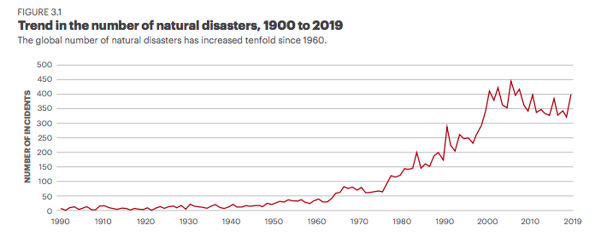
It doesn’t just seem like disasters are getting more frequent, they actually are. A 2020 study by the Institute for Economics and Peace found that the number of extreme natural disasters ‘has increased tenfold since 1960’. The number of people displaced by natural disasters is also rising. This trend is only going to get worse if we don’t act.
In 2022, a national survey conducted by Griffith University found that 52% of respondents had experienced a natural disaster or extreme weather event induced by climate change. If you haven’t personally experienced one, you probably know someone who has.
This isn’t a problem for the future. It isn’t just something our kids or grandkids will face. It’s something we are facing now and will continue to face year after year until the fossil fuel industry is destroyed. We know this. The time to act is now.
2. Labor isn’t Fixing the Problem
For many progressives, it was easy to see the need to protest when Australia was being ruled from Hawaii by Scott ‘waving-a-lump-of-coal-in-parliament’ Morrison. However, the Albanese Government at least seems to be taking the first steps towards climate action – right? Unfortunately, wrong. Albanese talks of “ending the climate wars,” but if the climate wars really are over, it’s the fossil fuel companies that have won.
If we’re going to stop climate change, the first step needs to be to stop burning fossil fuels. The Albanese government is considering 114 new fossil fuel projects. It has opened up 47,000km2 of water to oil and gas exploration, started developing one of the world’s biggest gas sites in Beetaloo Basin, given Woodside the go ahead to start drilling for gas in Scarborough, opened up 116 new Santos gas wells in Queensland, and approved an expansion of the Narrabri coal seam gas mine despite the strident opposition of the Gomeroi people, who are the traditional owners.
How can the government be claiming to cut down on emissions while opening up new fossil fuel projects left, right and centre? Easy – by shifting the blame. While our domestic emissions (energy used in Australia) are pretty bad (we’re in the top twenty emitters per capita), the amount of fossil fuels we export is horrifying. Australia is the biggest metallurgical coal exporter in the world and the second biggest thermal coal exporter, meaning that most of our contribution to climate change is simply not counted. Labor refuses to take responsibility for these emissions, saying that if we don’t export them, someone else will. This is the same logic as giving a knife to a murderer and claiming no responsibility when they stab someone (all while being one of the top 20 murderers in the world).
Our economy continues to flourish on producing fossil fuels and huge fossil fuel companies can get away with committing climate atrocities while the government acts as if it’s doing the right thing. This government needs to be fought just as much as the last one did.
3. Climate Change is a Political Problem, Not a Personal Problem.
Protesting and putting political pressure on the government to fight climate change is the single most important thing you can do to make a difference. It’s very convenient for large corporations and governments to blame individuals for eating too much meat or not bringing a reusable cup.
The reality is that household greenhouse gas emissions pale in comparison to industrial greenhouse gas emissions. Household greenhouse gas emissions contribute just 1/4 of total emissions. That means the vast majority of emissions are emitted by big companies which we have no control over.
Even within the 25% that households are responsible for, we actually have very little control over how much energy we use. Everyone needs to eat, to keep cool in summer and warm in winter, to get to work or university and keep the lights on. We all need to use energy, but we have no say in how that energy is produced, or how destructive the things we use are. A 2022 report in Energy found that, of a list of individual behaviour changes tested, the only changes people made that had any statistically significant change in individual greenhouse gas output was owning an energy efficient house or car and using a renewable energy supplier.
For the vast majority of people, we have no say over how our houses were built. We’re in a housing affordability crisis. Most people feel lucky to be able to rent a house at all, let alone shopping around for an energy efficient one. When it comes to using a renewable energy supplier, we are also powerless. Only 100 companies are responsible for the production of 71% of the energy we use. In 2021, only 29% of Australia’s electricity grid was powered by renewable sources. This is something we have no control over. Even if you can afford to live in an environmentally friendly house with solar panels and drive a Tesla, most people can’t. This isn’t a strategy to systematically confront climate change.
Putting the blame onto consumers shifts the blame from the real criminals: the big companies that dig up fossil fuels and decide to make products in an environmentally destructive way, and the government that has their backs. The most effective thing we can do isn’t trying to make small changes to reduce our emissions that we have any control over but fighting to put political pressure on the governments and big corporations that have huge amounts of power.
4. Protesting Works
Almost any progressive reform you can think of was won by protest movements on the streets, or strikes: votes for women, penalty rates, marriage equality and the end of the Vietnam War, just to name a few.
It’s true that we’ve seen large environmental protests before which haven’t ended climate change. The 2019 climate strikes saw an impressive mobilisation of millions on the streets across the world. That was a huge effort, but ending climate change is an even bigger fight. The world’s biggest and most powerful companies and economies rely on digging up fossil fuels and using the cheapest and easiest forms of energy available to get a competitive advantage. Our entire system is built on fossil fuels, and to adequately fight climate change would require a complete restructuring of the system. To end the climate wars forever we need to get rid of the system of capitalism that puts profit over human life and the planet.
To win any gains in the climate movement, we need a large, coordinated and ongoing campaign of street mobilisations, radical organisation and industrial action. The National Day of Environmental Action on March 17 won’t be that fight, but it will be a good start. Large coordinated movements don’t arise from nowhere. They need committed activists to keep protesting and keep up the momentum. That could be you.
5. Every Person Counts
If I’ve convinced you that we need to fight climate change, and that protests are the best way to fight, I’ve won half the battle. The more important part of the battle is getting you to come. You may feel that your presence at the protest is unimportant. Maybe you have a class that day, or you don’t want to make the trip into town. If everyone felt that way, we wouldn’t have a climate movement.
The most important part of protests is to have a big, angry crowd. Every single person in that crowd makes a difference. Building a large climate movement is what we need to win, and it’s one of the most important things you could do at university. It’s worth skipping that class for. It’s worth taking the time out of your day for.
Don’t stop there, invite your friends, make an announcement about it in your class, get in contact with Uni Students for Climate Justice and help hand out leaflets. The bigger movement is, the better our chance of winning. We need everyone.
Join the protest:
National Union of Students, National Day of Climate Action.
March 17, 6pm, Parliament House
Facebook Event
 On Dit